Pruning with a purpose.
Every cut should accomplish a specific objective: clearer structure, better clearance, healthier development, or a more considered form.
Tell me about your trees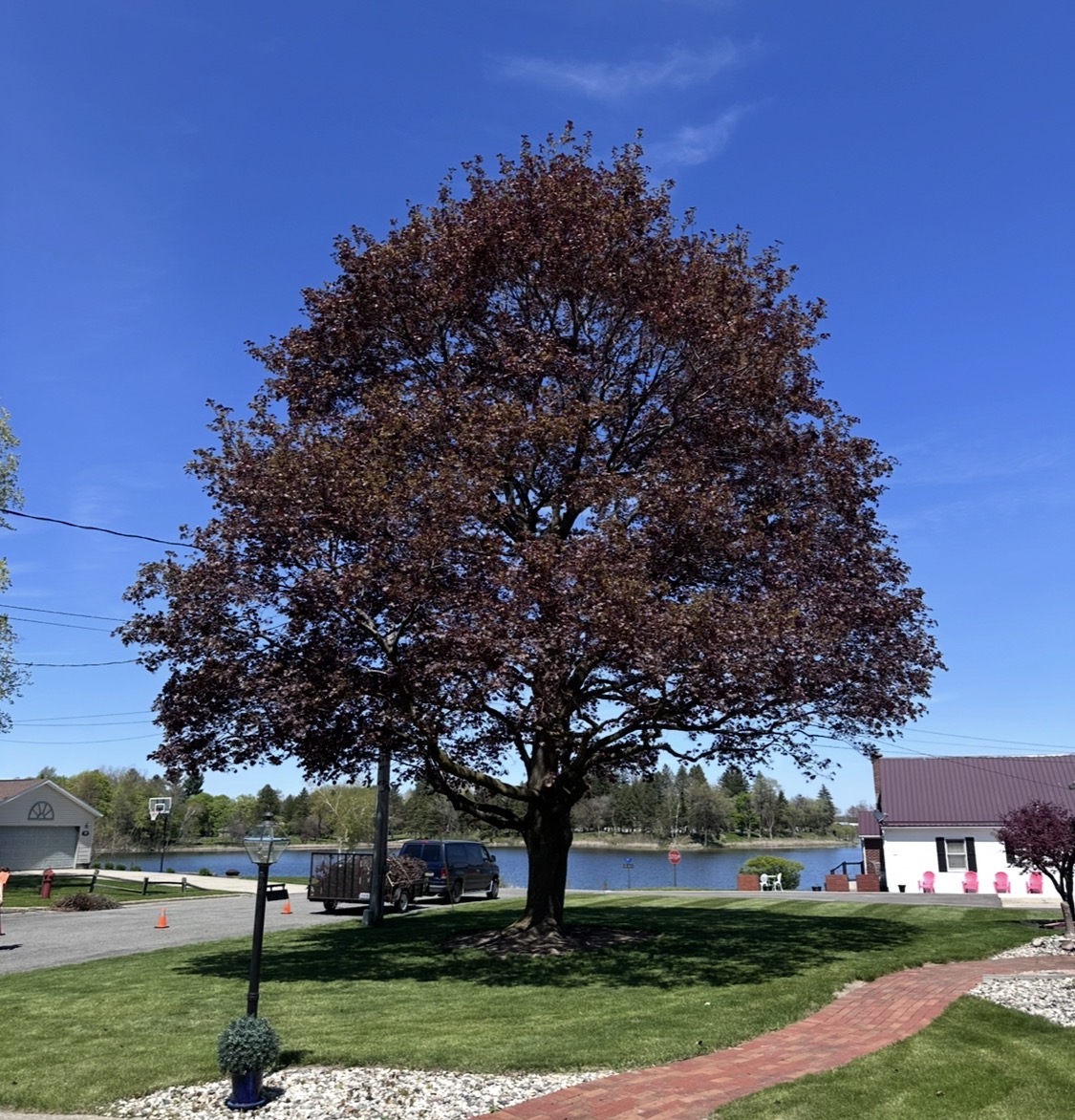
A better cut starts with a better question.
Professional pruning is not simply making a tree smaller. Jeremy evaluates the individual tree, its age, structure, setting and long-term potential before deciding what, if anything, should be removed. The work is personally performed or directed by the arborist who evaluated it.
Pruning may focus on
- Structural pruning
- Mature-tree pruning
- Restorative pruning
- Clearance pruning
- Aesthetic pruning
- Young-tree development
- Fruit-tree pruning
- Thoughtful canopy management
Care that considers what comes next.
A pruning decision today can shape how a tree grows for years. The aim is not maximum removal; it is a more durable, balanced tree with a clear reason behind each cut.
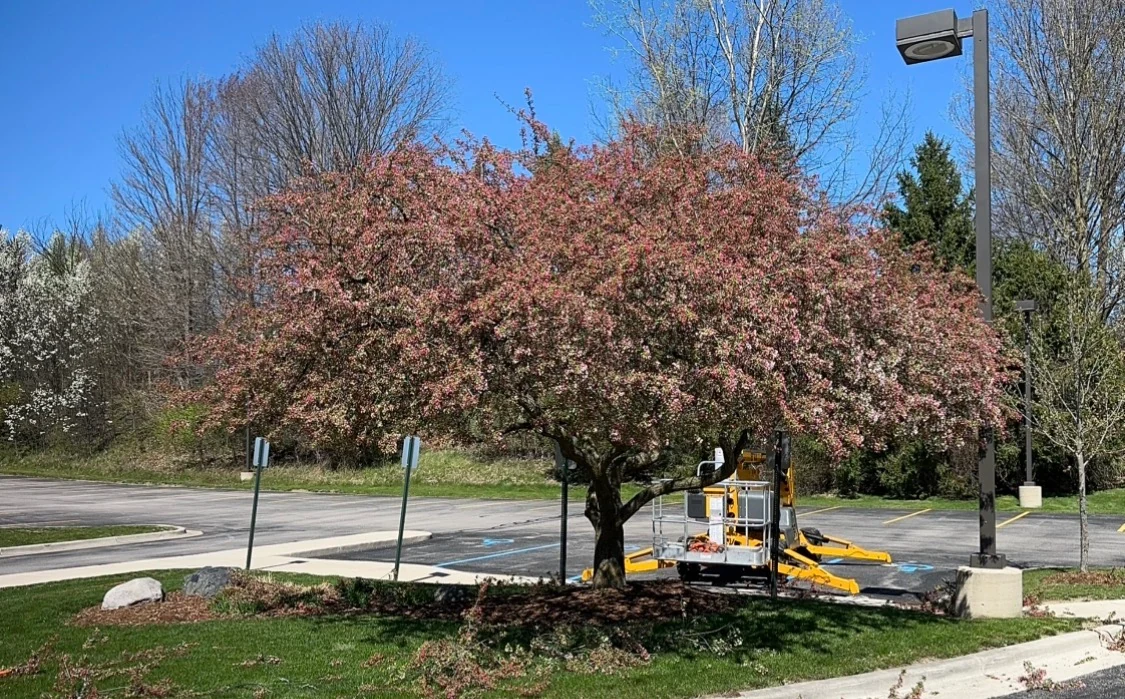
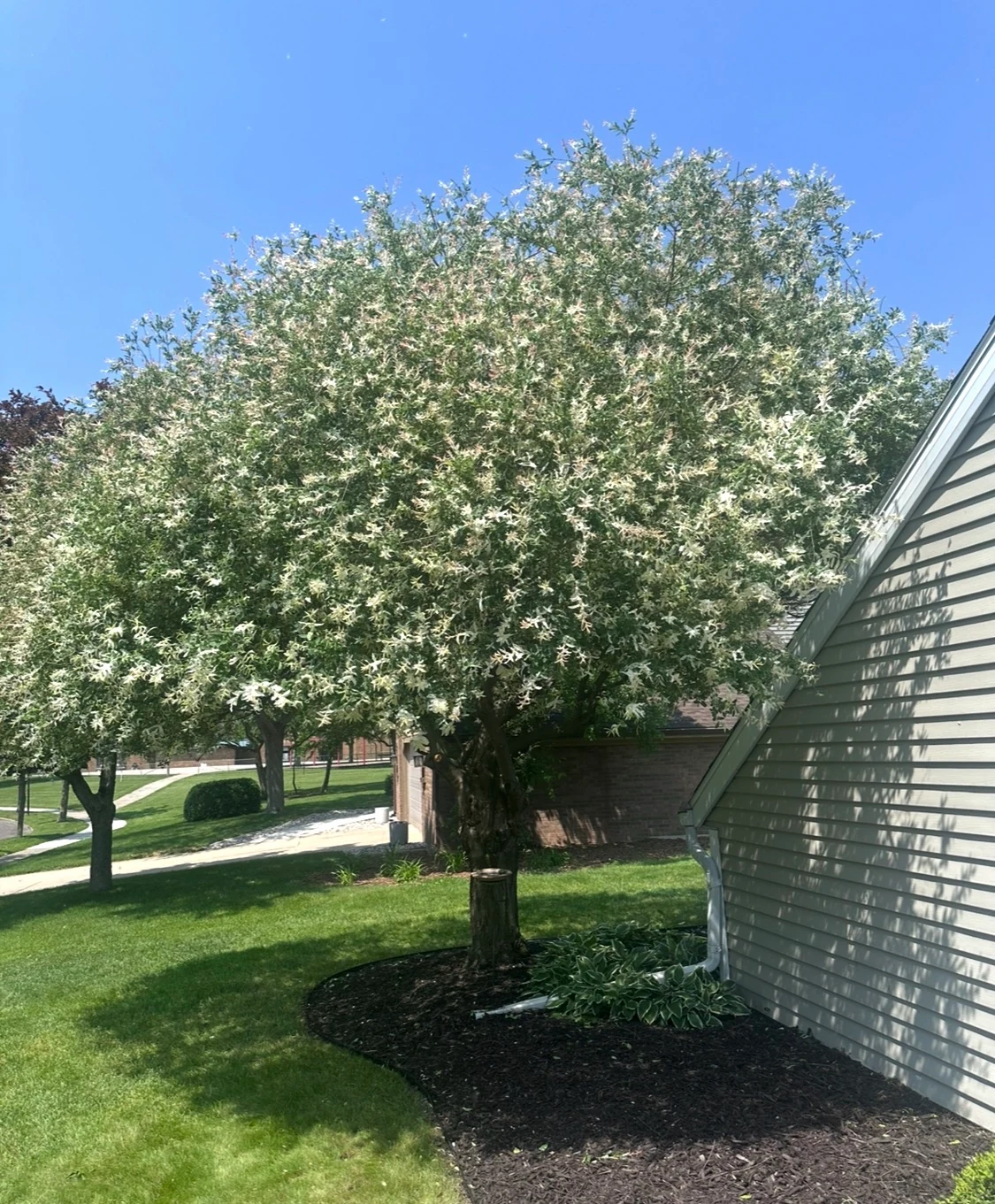
Cherry tree reduction and roof clearance
This cherry tree was beginning to outgrow its space beside the house. I reduced the size of its canopy and provided adequate roof clearance while maintaining a natural shape.
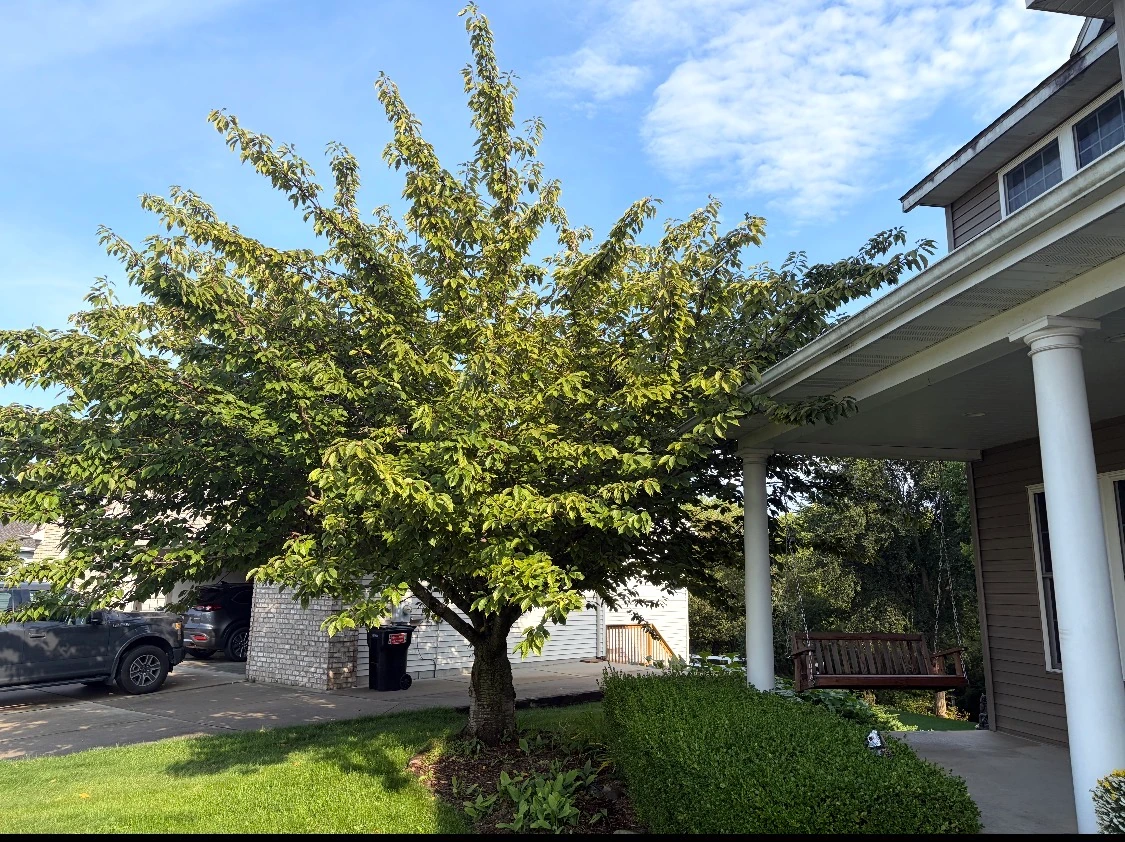
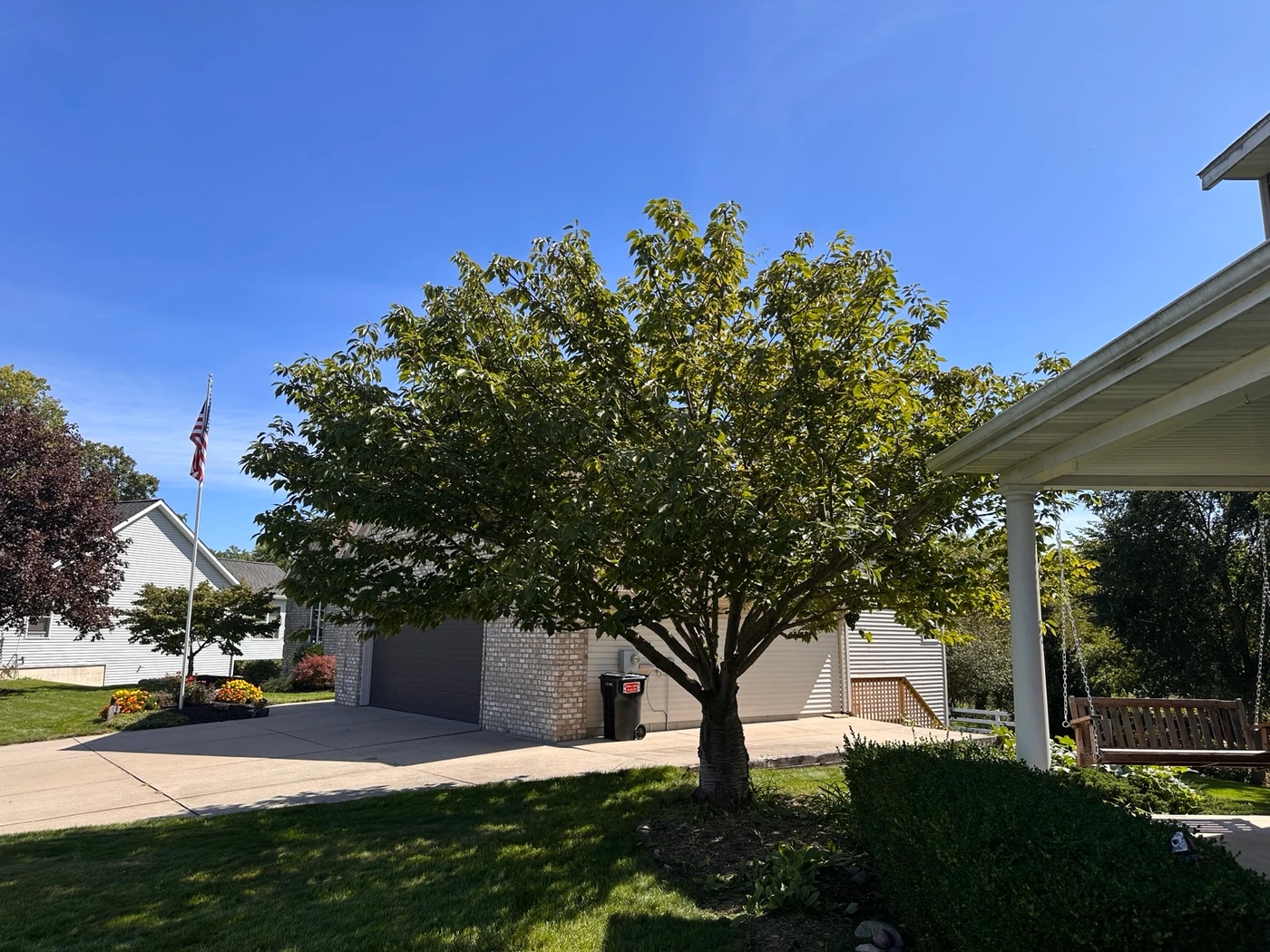
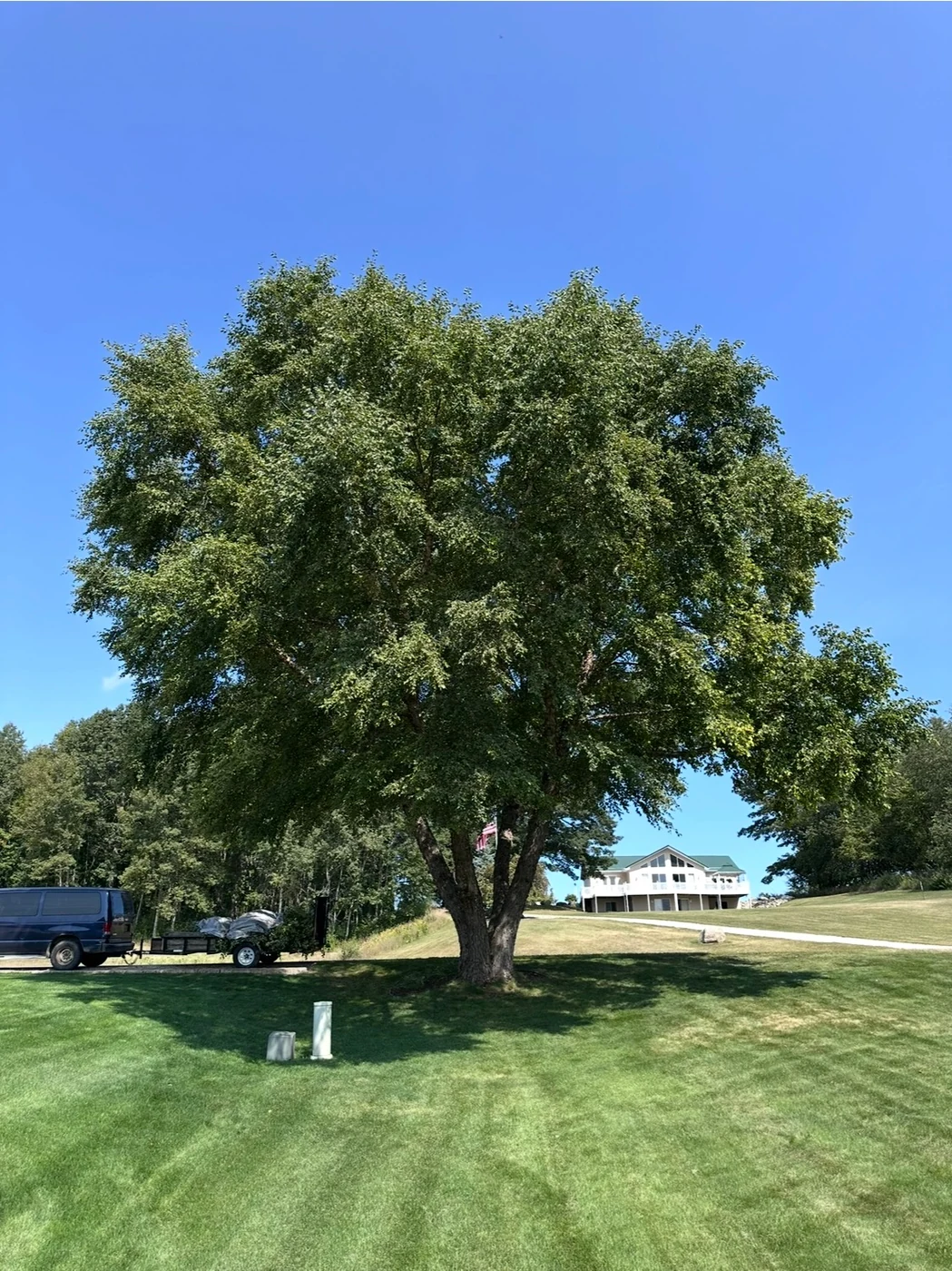
Creating separation while preserving natural form.
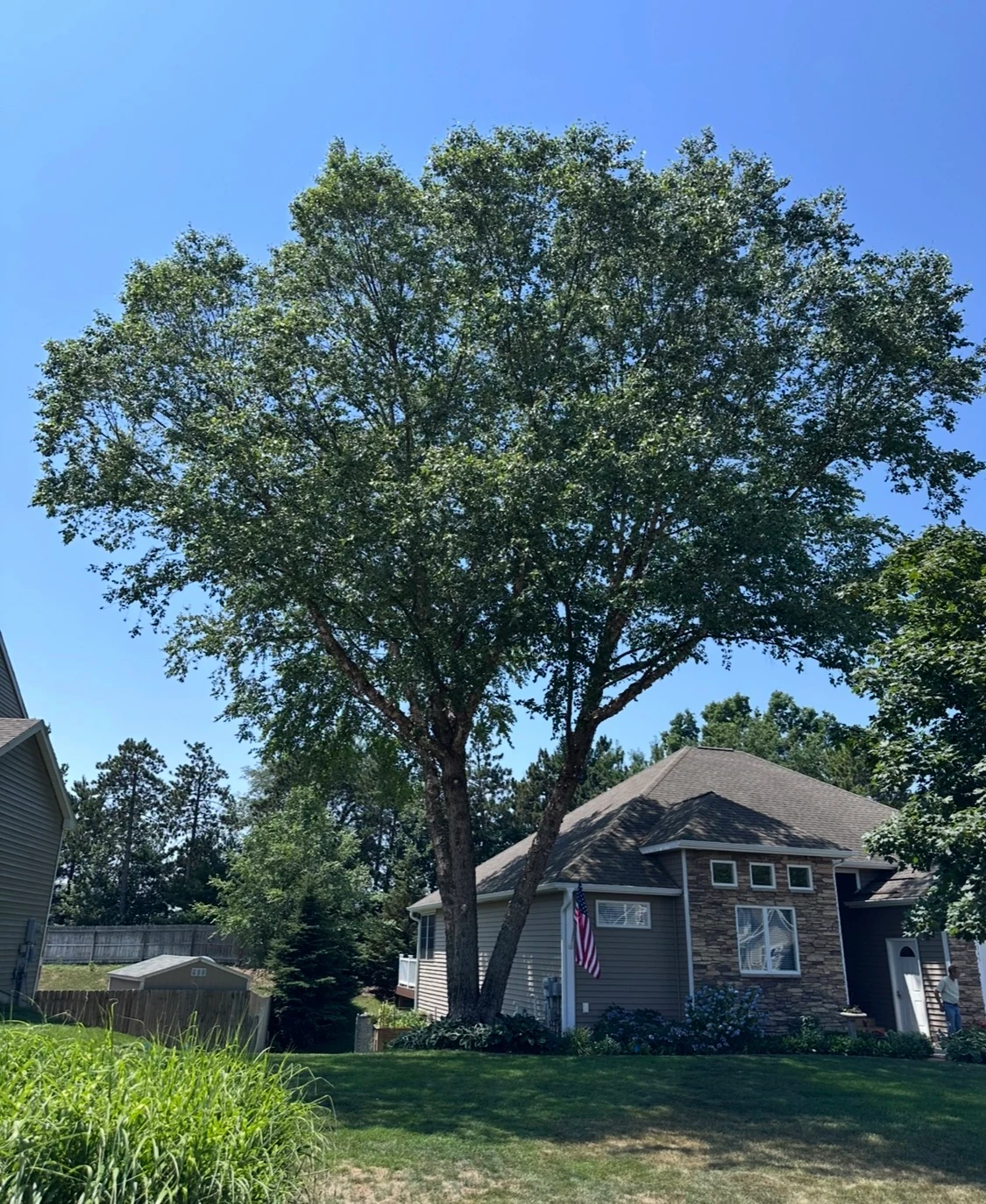
Selective pruning created separation between neighboring trees while raising the lower canopy to provide comfortable clearance beneath them. The objective was a more maintained, usable landscape without sacrificing the trees’ natural form and character.


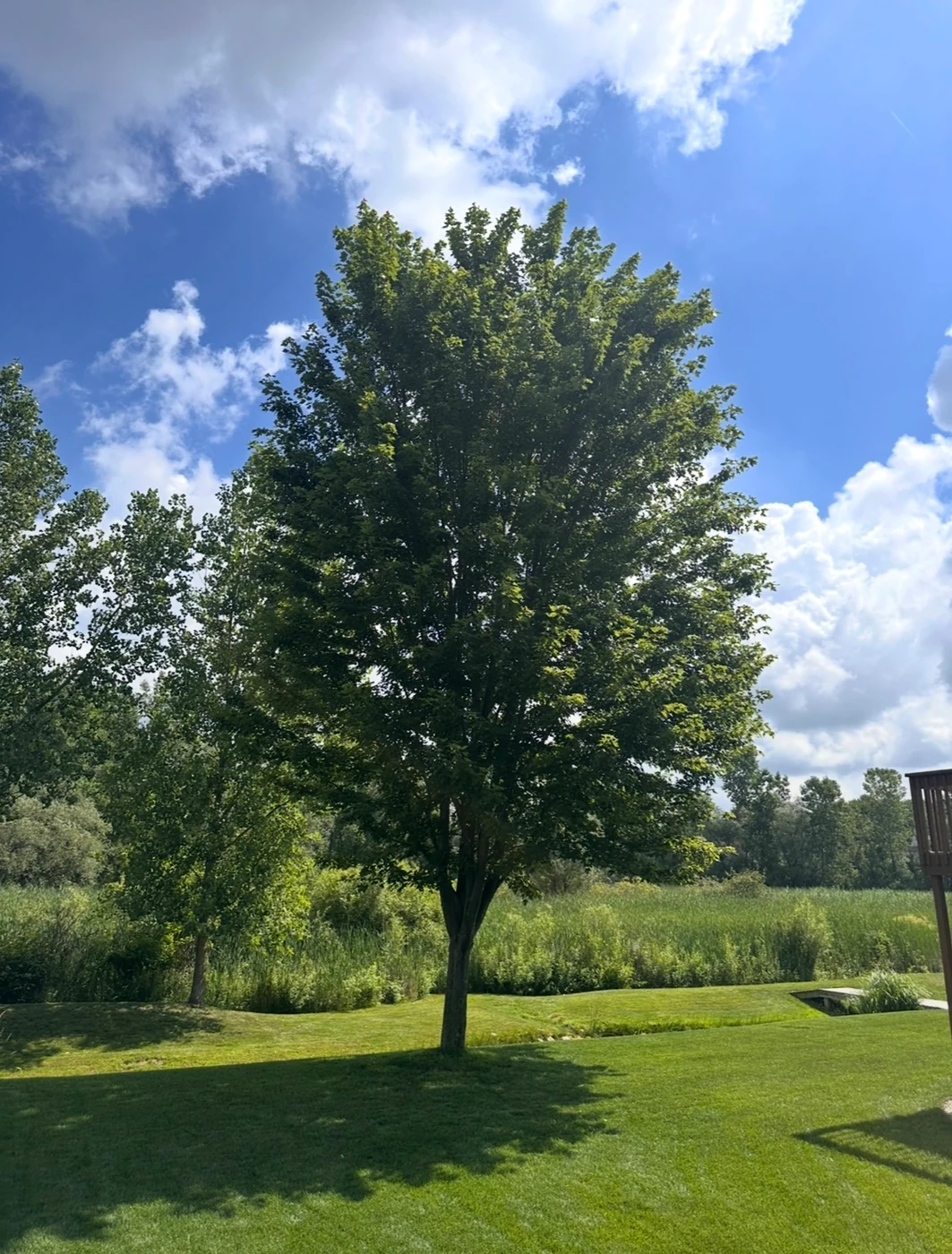
Clearance where it matters, without losing the tree.
Selective pruning created needed separation from the home while preserving the tree’s natural form and overall presence. The objective was to solve the clearance issue without unnecessarily reducing the rest of the canopy.


Every tree deserves a pruning plan of its own.
Every tree has its own structure, growth habit, setting and purpose in the landscape. Pruning should respond to those individual characteristics—whether the goal is structural improvement, clearance, restoration, preserving natural form, or a more intentional aesthetic.


Trees in their surroundings.
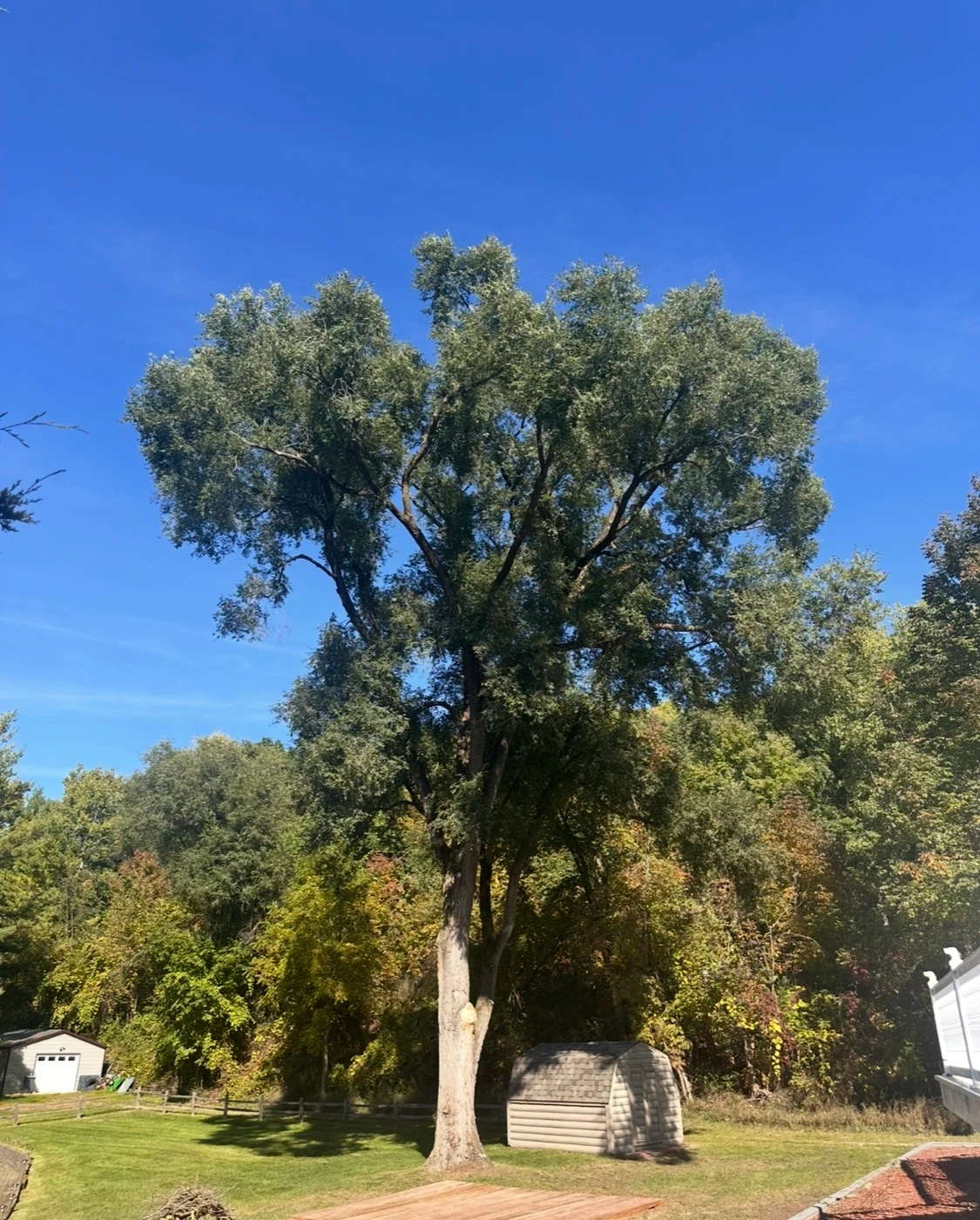
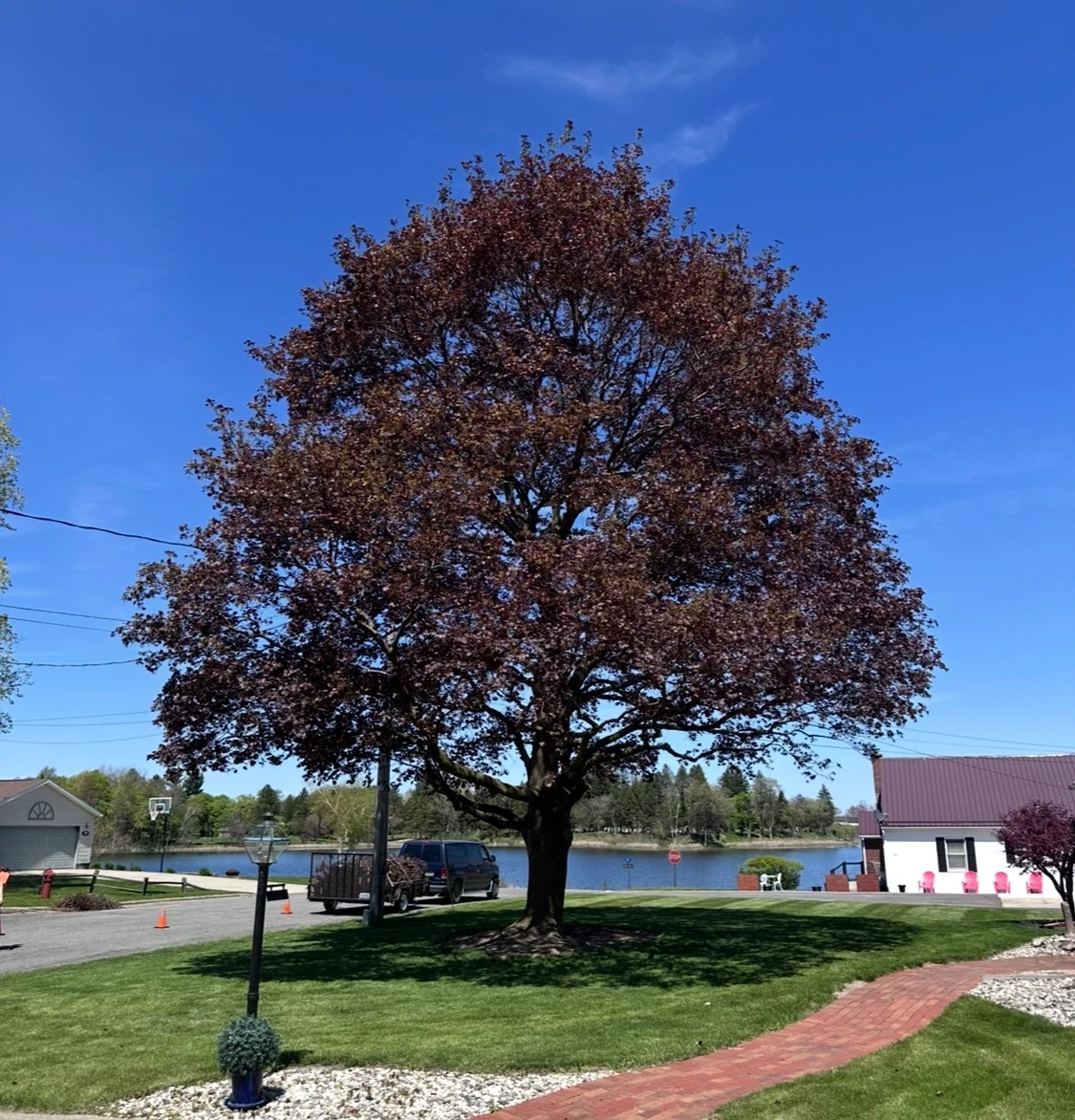
A closer look at the variety of trees and settings that thoughtful tree care needs to consider.